
5 Cinemas in Berlin: Arthouse Venues & Film Tips
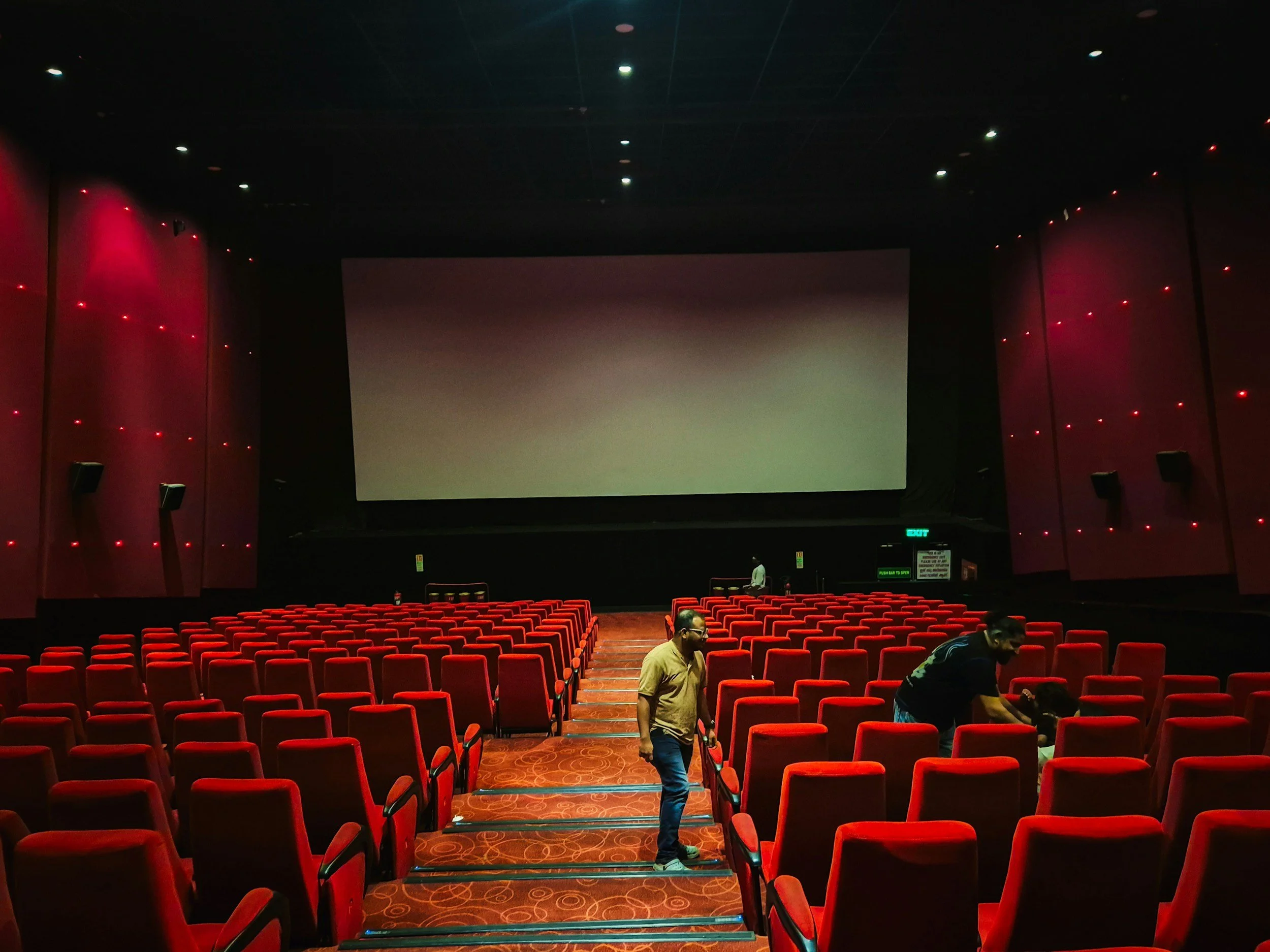
Illustrative cinema photo by Adhitya Sibikumar on Unsplash.
Berlin’s cinema culture is worth exploring throughout the year. These five venues introduce different sides of the city, from contemporary arthouse design to historic neighbourhood cinemas. Check each cinema’s current programme before planning your evening.
Looking for a film you can follow in English? Check the spoken language and subtitle language for the individual screening. An original-language screening does not automatically mean an English-language film.
1: Delphi Lux – A Modern Arthouse Experience
Opened in 2017, the Delphi Lux is part of the Yorck Kino Group and has established itself as one of Berlin's most exciting film venues. Located near Zoo Station, it enriches the cultural landscape of the historic Kurfürstendamm area with its innovative cinema experience.
The award-winning architecture firm Bruzkus Batek designed its seven individually styled screens, each featuring unique materials and colors that make the cinema a visual delight. For this groundbreaking design, the cinema was honored with the prestigious FRAME Award.
The Delphi Lux is not just about design—it’s also a programmatic standout. Only two years after opening, it won the top prize for best annual film programming at the German government’s Cinema Programme Award in 2019. Offering a mix of arthouse gems, international productions, and crowd-pleasers in both original and dubbed versions, the Delphi Lux caters to every taste.
For more info on the Delphi Lux cinema Berlin, see the Delphi Lux programme
2: Passage Kino – Nostalgia in Neukölln
Gold leaf, red velvet, and over 100 years of history make the Passage Kino one of the most charming cinemas in Berlin. Originally opened in 1910 as the "Excelsior Light Theater" in a newly built social hall, its grand hall was initially designed for both theater and film. By 1920, it had shifted entirely to film screenings and adopted the name Passage.
The cinema survived two world wars but fell victim to the television boom and Berlin Wall construction, closing in 1968. For 20 years, it served as a furniture storage space before the Yorck Kino Group revived it in 1989 with a stunning renovation.
Today, the historic Hall 1 shines in its original splendor with gold leaf, red velvet, and an ambiance reminiscent of cinema's golden age. Three additional screens and a modernized foyer and café, redesigned by Batek Architects in 2021, seamlessly blend tradition with contemporary elegance.
For more info on the Passage Kino in Neukölln, see the Passage programme!
3: Rollberg Kino – Historic Roots, Independent Spirit
The Rollberg Kino sits on historic ground. In 1927, the majestic Mercedes Palast opened at the site on Hermannstraße, offering 2,500 seats and becoming Berlin's largest film theater of its time. It was a place where the working-class population of Neukölln could enjoy affordable entertainment. However, the palace was destroyed during World War II, and post-war attempts to revive cinema at the location were short-lived.
In 1996, the Rollberg Kino brought cinema back to the neighborhood as part of the newly built Kindl Boulevard. Since the 2010s, the cinema has focused on original-language films. Many non-English films have English subtitles when available; check the individual screening before booking. Its legendary Creepy Crypt horror film series, held late every Saturday, has gained an international cult following. With its mix of international arthouse, indie films, and sophisticated Hollywood productions, the Rollberg Kino celebrates its cinematic legacy while offering a diverse program.
For more info on the Rollberg Kino, see the Rollberg programme!
4: Sputnik Kino – A Hidden Gem in Kreuzberg
Sputnik Kino is an independent arthouse cinema in the courtyards near Südstern in Kreuzberg. Founded by the Sputnik collective in 1984, it is known for its unusual fifth-floor location and intimate screening rooms.
One room has masonry seating rows, while the smaller room uses sofas and armchairs. For the cinema’s own account of its story, read the Sputnik Kino history. For current films and times, use the Sputnik programme.
5: Neues Off – Cozy Charm in Neukölln
Just steps from Hermannplatz, the Neues Off offers one of Berlin’s most charming cinema experiences. Opened in 1919 as a variety theater, it became the "Rixdorfer Lichtspiele" in 1926 and was later repurposed as an erotic cinema in the 1970s. In 1979, the Yorck Kino Group took over, giving it a new name—Off—and a focus on high-quality arthouse programming.
The 1990s brought a major renovation, earning the cinema its current name, Neues Off, and restoring its stylish 1950s flair. Modern upgrades, including a 4K projector and advanced sound systems, ensure a first-class cinematic experience, while the carefully curated program of international and indie films reflects its commitment to quality.
More info on the Neues Off can be found on the Neues Off programme page.
Plan a day of exploring Berlin
See dates and book the Discover Berlin tour →
Combine an evening at the cinema with a daytime introduction to the city on our Discover Berlin walking tour. For ideas on how to fit sights and travel time together, see our Berlin in two days itinerary.
If your visit coincides with the film festival, check the official Berlinale website for that year’s dates and ticket information.