
For a first visit to Berlin, start with the Brandenburg Gate, the Reichstag, the Memorial to the Murdered Jews of Europe, Museum Island and a place where you can understand the Berlin Wall. Then leave time for a neighbourhood walk, something good to eat and a break beside the river or in a park.
You don’t need to see every famous attraction to have a memorable visit. Our recommendation is to combine Berlin’s major landmarks with places that help you understand the city—and give yourself enough time to enjoy both.

1. Start at the Brandenburg Gate
The Brandenburg Gate is a useful place to begin exploring Berlin. From Pariser Platz, you can walk towards the Reichstag, the Holocaust Memorial or along Unter den Linden into the historic centre.
It is also a place to pause and consider how much the city has changed. A monument associated with Berlin’s division became a symbol of reunification. Understanding that story makes a visit more meaningful than a quick photograph. Brandenburg Gate and nearby landmarks
Our suggestion: combine the Gate with nearby sights rather than making a separate journey for each one.
2. See the Reichstag—and plan ahead for the dome
The Reichstag belongs on a first-visit shortlist for its political significance and distinctive architecture. You can see the building from outside while exploring the government district.
Visiting the glass dome is a separate activity. Admission is free, but registration is required and closures can affect access. Use the official Bundestag registration page to plan your visit.
Book your preferred time before organising the rest of that day. Leave room for security checks and the journey from your previous activity.
3. Give the Holocaust Memorial your attention
Close to the Brandenburg Gate stands the Memorial to the Murdered Jews of Europe, often called the Holocaust Memorial.
Give yourself time to experience the field of concrete stelae thoughtfully. This is a place of remembrance, so approach it with respect for its purpose and for other visitors.
The underground Information Centre adds historical context and personal stories. Plan it as a separate visit rather than assuming you can fit it into a brief outdoor stop. Check the memorial’s visitor information for current access arrangements.
4. Explore Museum Island, even if you don’t enter a museum
Museum Island is worth including for its architecture and setting beside the Spree. Combine a walk around the area with the Lustgarten and the exterior of Berlin Cathedral.
If you enjoy museums, choose a collection that interests you and give it proper time. Trying to visit several museums between other sightseeing stops can make the day feel rushed.
One planning detail matters: the Pergamonmuseum is currently closed for renovation, with a partial reopening scheduled for 4 June 2027. Check the official visitor page before planning your trip around it.
Our suggestion: decide whether this is an outdoor sightseeing stop or your main museum visit for the day.
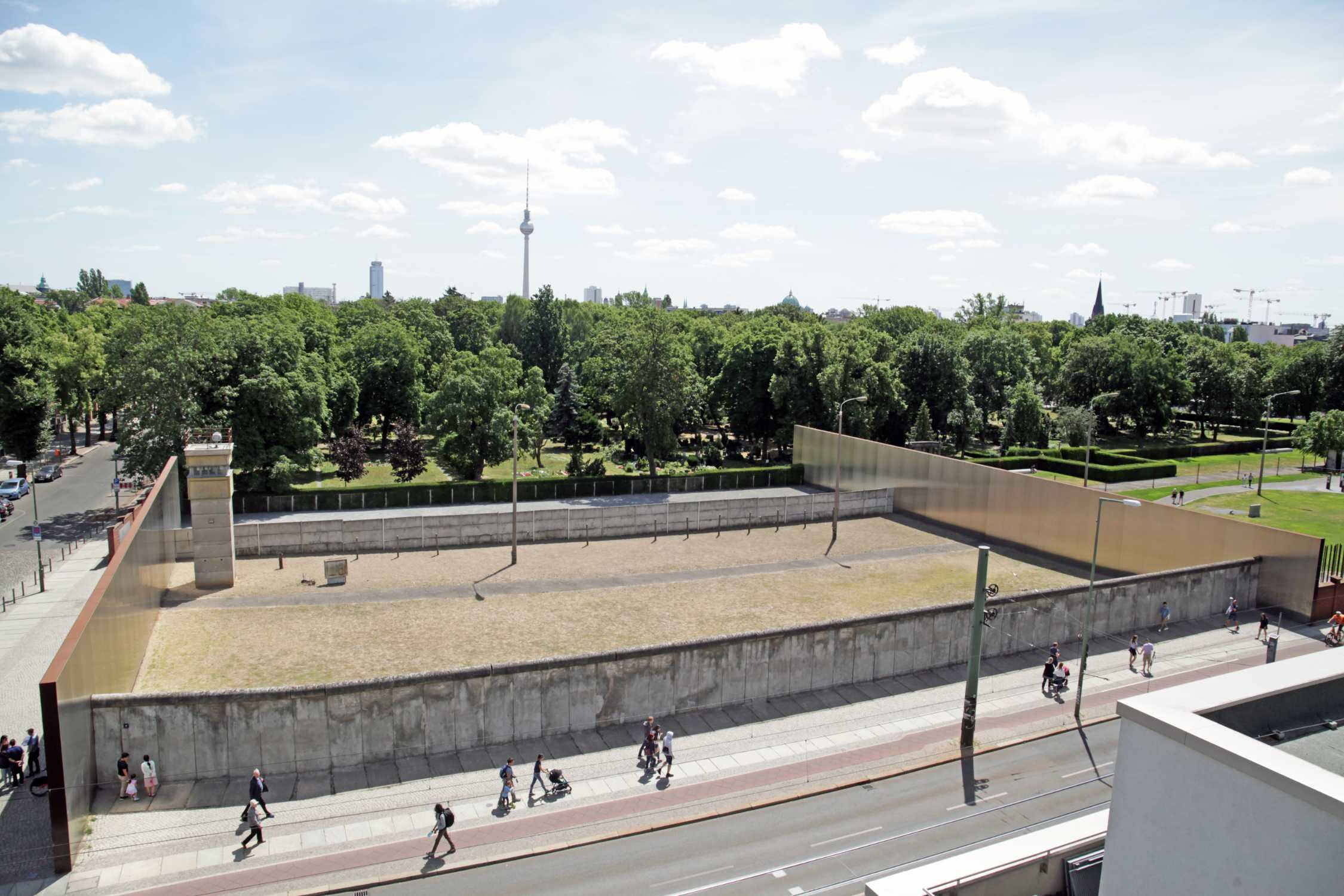
5. Choose the right place to see the Berlin Wall
“The Berlin Wall” is not one single attraction. Different sites tell different parts of its story.
For understanding how the border worked and affected people’s lives, we recommend the Berlin Wall Memorial on Bernauer Straße. Its outdoor exhibition follows the former border strip, with surviving traces, marked locations of demolished buildings and stories of escape and separation. Berlin Wall Memorial
For the famous murals, visit the East Side Gallery. This offers a different experience: a surviving section of the Wall transformed through art after its opening. Our East Side Gallery guide will help you plan that visit.
If time is limited, choose according to your interests. For border history, prioritise Bernauer Straße. For the paintings and a riverside outing, choose the East Side Gallery.
They are in different parts of Berlin, so allow travel time if you want to visit both.
6. Make room for Berlin beyond the landmarks
Leave one part of your visit unscheduled.
You could explore the streets around Hackescher Markt after Museum Island, find somewhere for dinner in Kreuzberg, or take a quieter walk in Tiergarten.
Choose somewhere that fits naturally with the rest of your day. Sit down for a coffee, browse a shop that catches your attention or spend longer over lunch.
These ordinary moments give you a chance to experience the city between its major attractions. You don’t need another ticket or a long checklist to enjoy them.
Should I visit Checkpoint Charlie?
Include it if you are interested in Cold War history or already exploring the area. Before you go, read our guide to whether Checkpoint Charlie is worth visiting, which explains what survives and what you can see.
For a first visit, we would give the Berlin Wall Memorial more time if your main aim is to understand the border and its effects on everyday life. Checkpoint Charlie can then be a shorter stop within a wider historical walk.
How should you fit these places into your trip?
Think in areas rather than working through a list in order:
Around the Brandenburg Gate: combine the Gate, Reichstag exterior and Holocaust Memorial. Arrange a dome visit separately.
Around Museum Island: explore the historic centre, choose a museum if you wish, then continue towards Hackescher Markt.
For Berlin Wall history: plan a dedicated visit to Bernauer Straße or the East Side Gallery.
With one day, focus on central Berlin and choose one longer visit. With two days, you have more room for a Wall site, a museum and neighbourhood exploring. Our Berlin in two days itinerary offers a practical starting point.
Avoid treating every available hour as sightseeing time. Meals, transport and breaks belong in the plan too.
See the landmarks—and understand how they connect
Berlin becomes easier to understand when someone connects the places you see with the events and people behind them.
Our Discover Berlin walking tour is designed for that first introduction. It brings together landmarks including the Brandenburg Gate, Museum Island, Checkpoint Charlie and remains of the Berlin Wall, with historical context along the way.
Allow 3.5–4 hours and approximately five kilometres of walking. The tour includes a short break and takes place outdoors; building interiors and museum admission are not included.
Take it early in your stay, then return independently to the places you want to explore further.
